

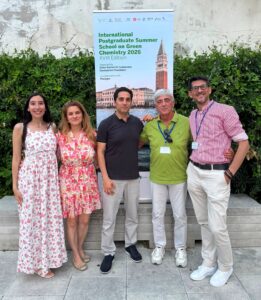
The XVIII International Postgraduate Summer School on Green Chemistry was held from 6 to 10 July 2026 in Venice, Italy, in a hybrid format, bringing together 104 participants from 32 nationalities, with 66 attending in person and 38 participating online. Organized by the Green Sciences for Sustainable Development (GSSD) Foundation in close collaboration with PhosAgro, the Summer School continued the long-standing tradition initiated by Professor Pietro Tundo in 1998, providing young researchers with an international platform for scientific learning, exchange, and networking in green chemistry. Over five intensive days, participants engaged with internationally recognized experts through lectures, discussions, and poster sessions covering key areas of green chemistry, including benign synthesis routes, green catalysis, alternative solvents, renewable and green raw materials, green chemistry for energy, clean processes, green chemistry education, and sustainable polymers. The XVIII edition once again highlighted the Summer School’s mission to equip a new generation of scientists with the knowledge, skills, and international connections needed to advance green chemistry and contribute to a more sustainable future.
DAY 1 > DAY 2 > DAY 3 > DAY 4 > DAY 5
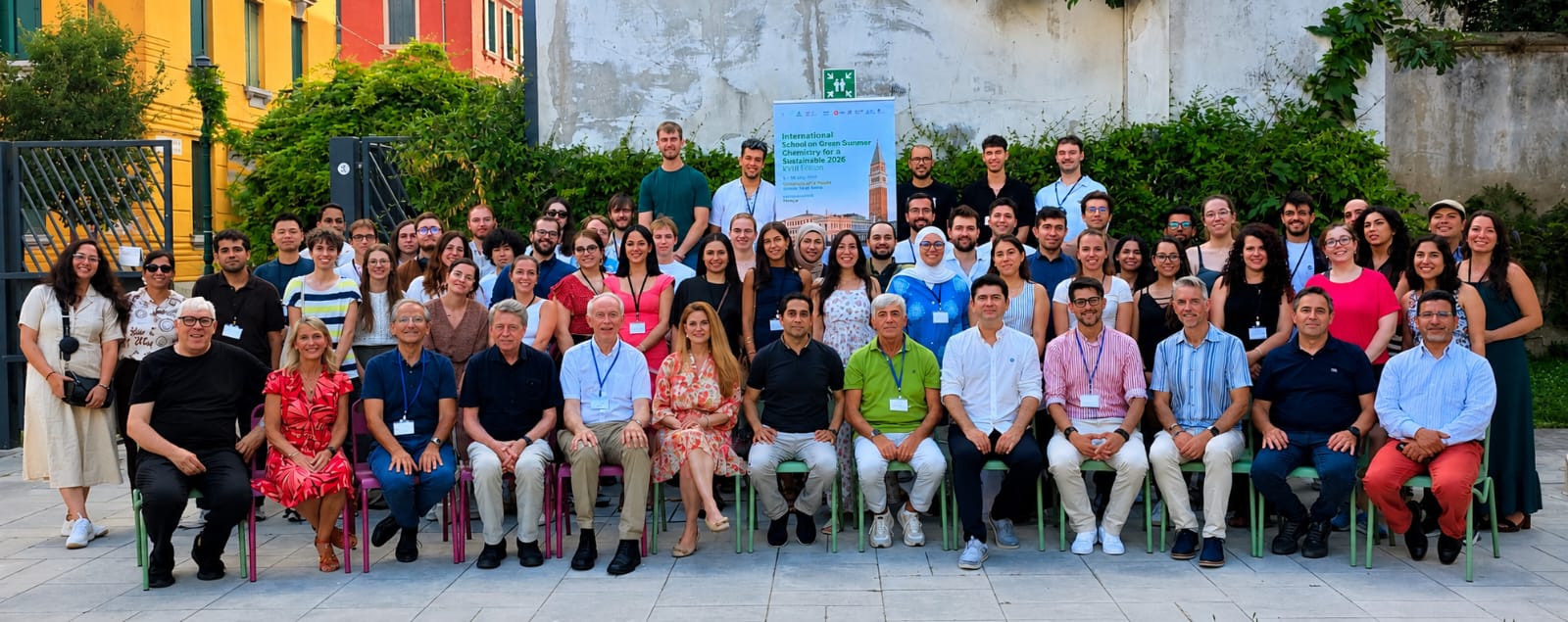
DAY 1
Monday, 6 July 2026
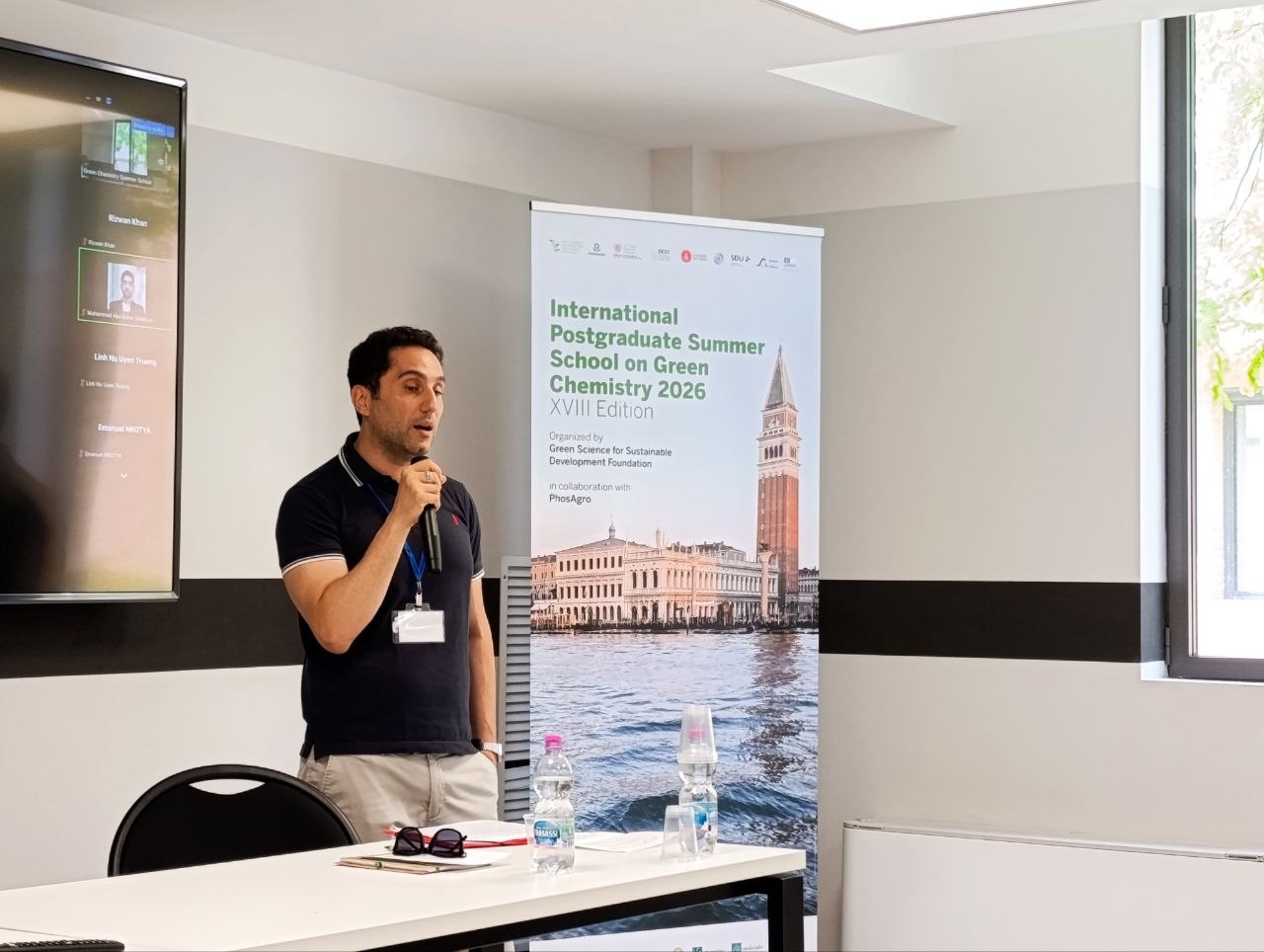
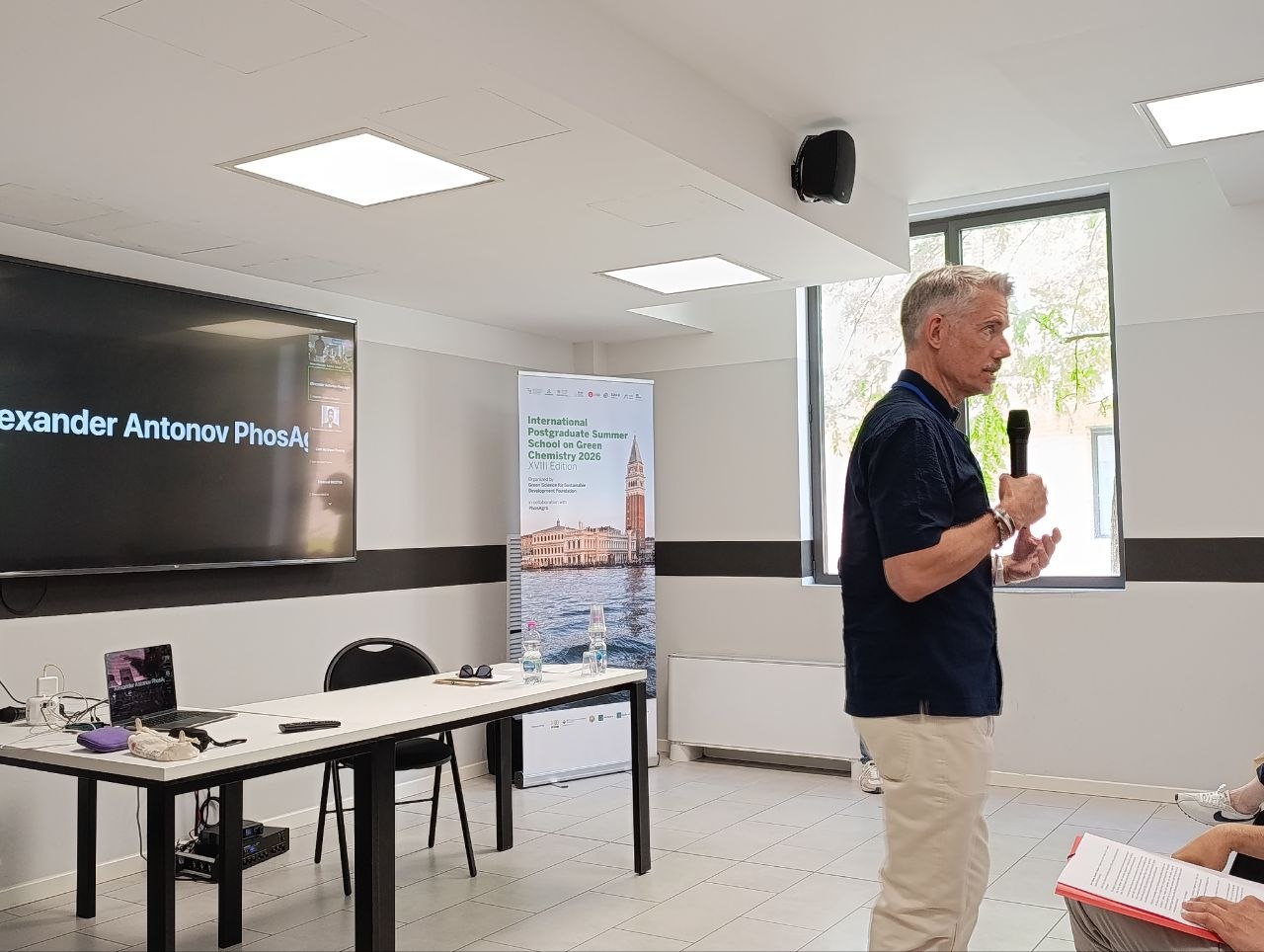
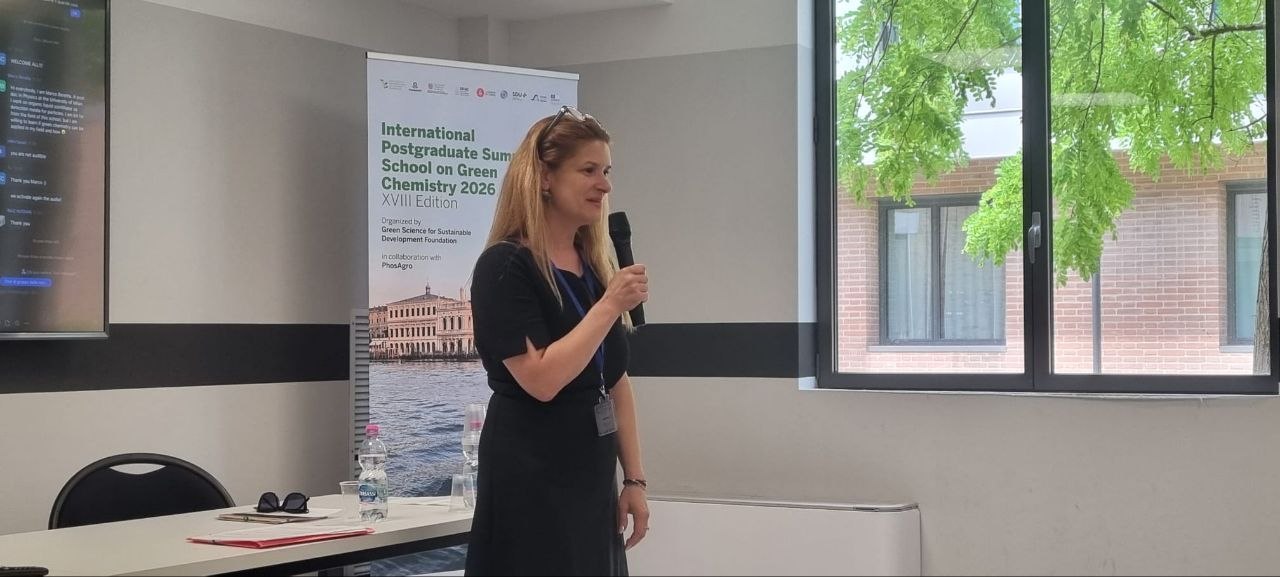
The XVIII International Postgraduate Summer School on Green Chemistry officially opened with welcoming remarks from Prof. Francesco Trotta, President of the Green Sciences for Sustainable Development (GSSD) Foundation; Dr. Aleksander A. Antonov, Director of the Department of International Development & Projects at PhosAgro; Prof. Fabio Aricò of Ca’ Foscari University of Venice, Italy; Dr. David A. Laviska of the American Chemical Society (ACS) Green Chemistry Institute, United States; and Dr. Aurelia Visa of the Romanian Academy “Coriolan Drăgulescu” Institute of Chemistry, Romania. The opening remarks welcomed participants to Venice and set the stage for five days of scientific exchange, learning, and international collaboration dedicated to advancing green chemistry and sustainable development.
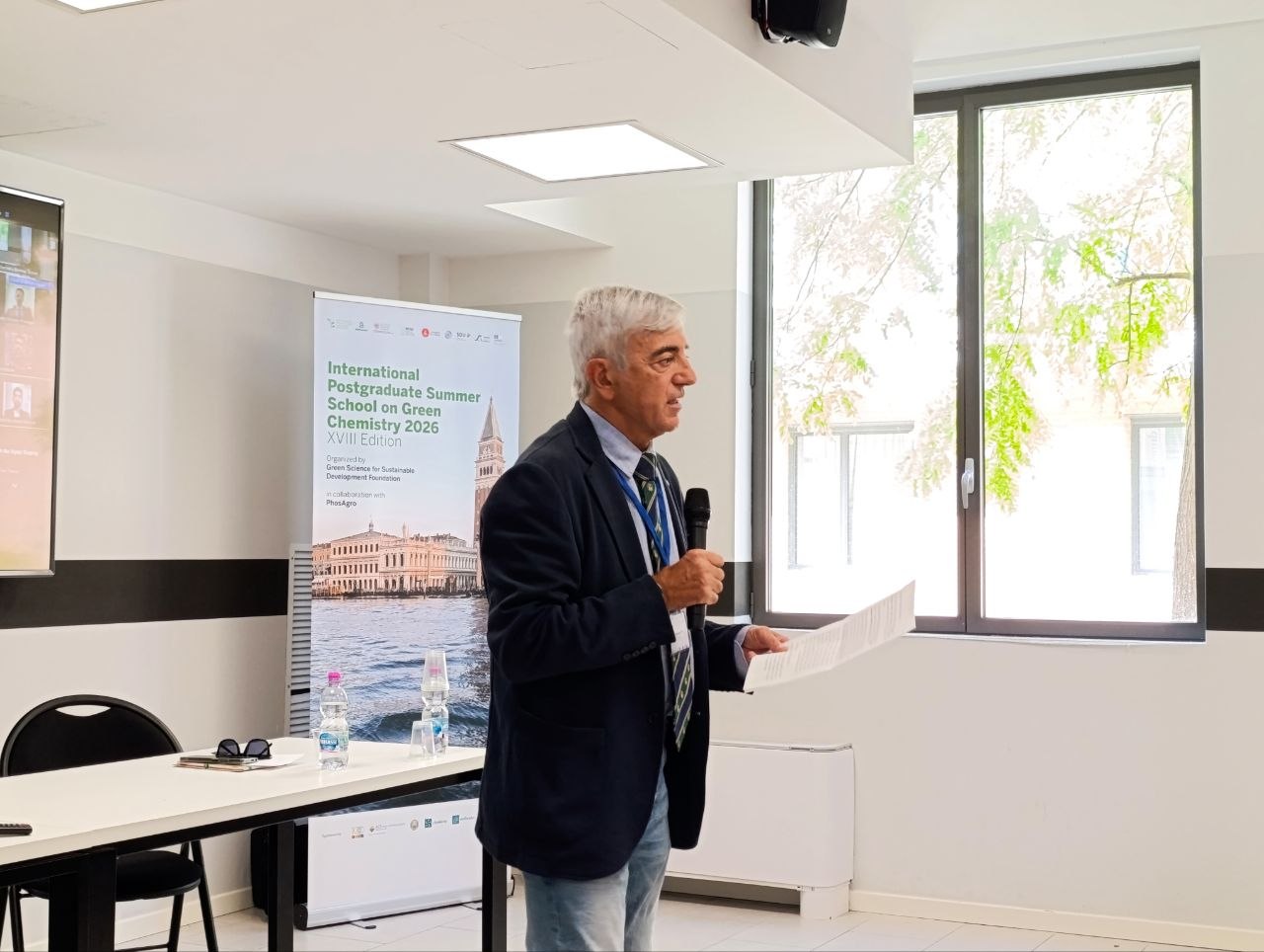
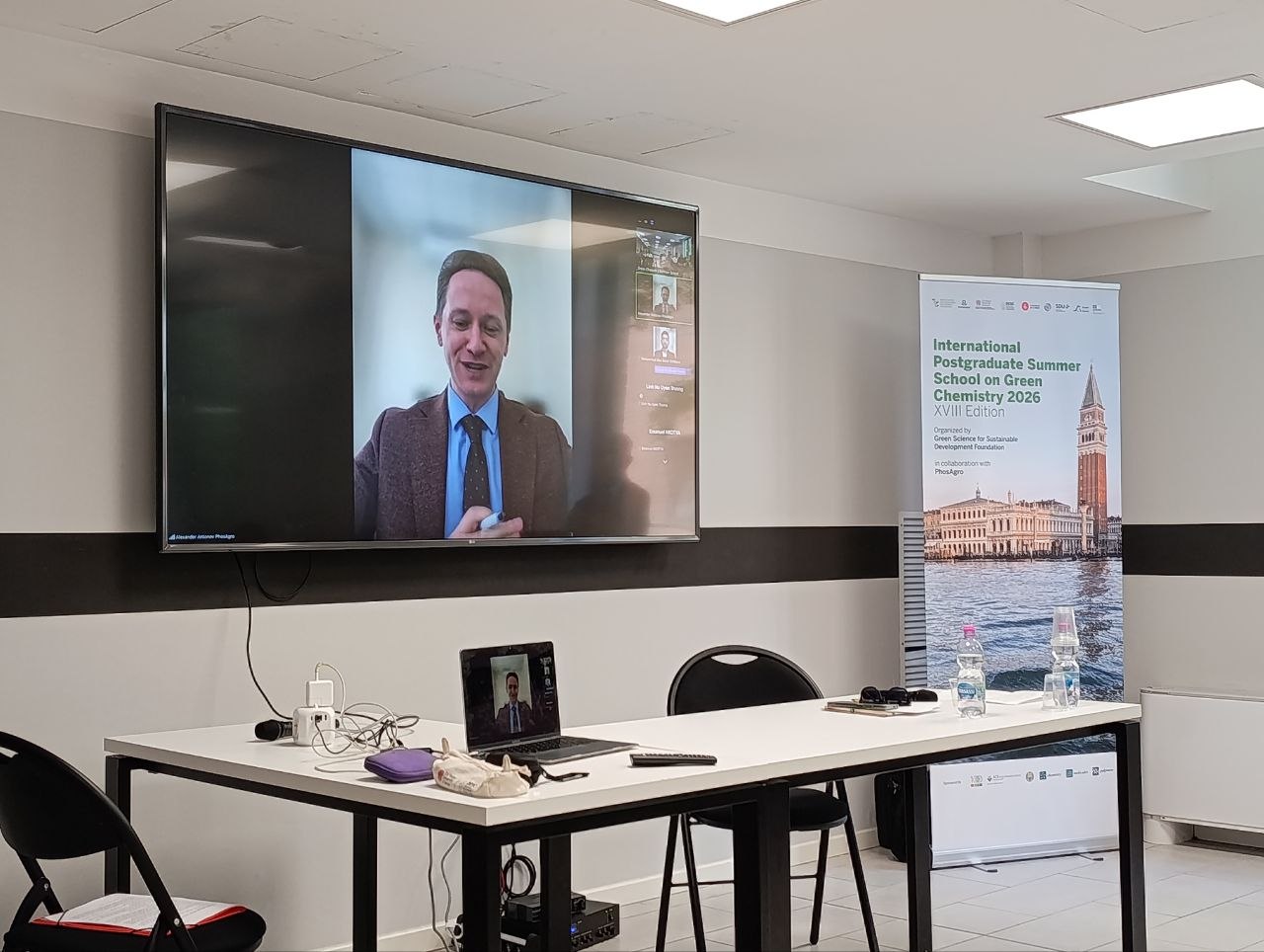
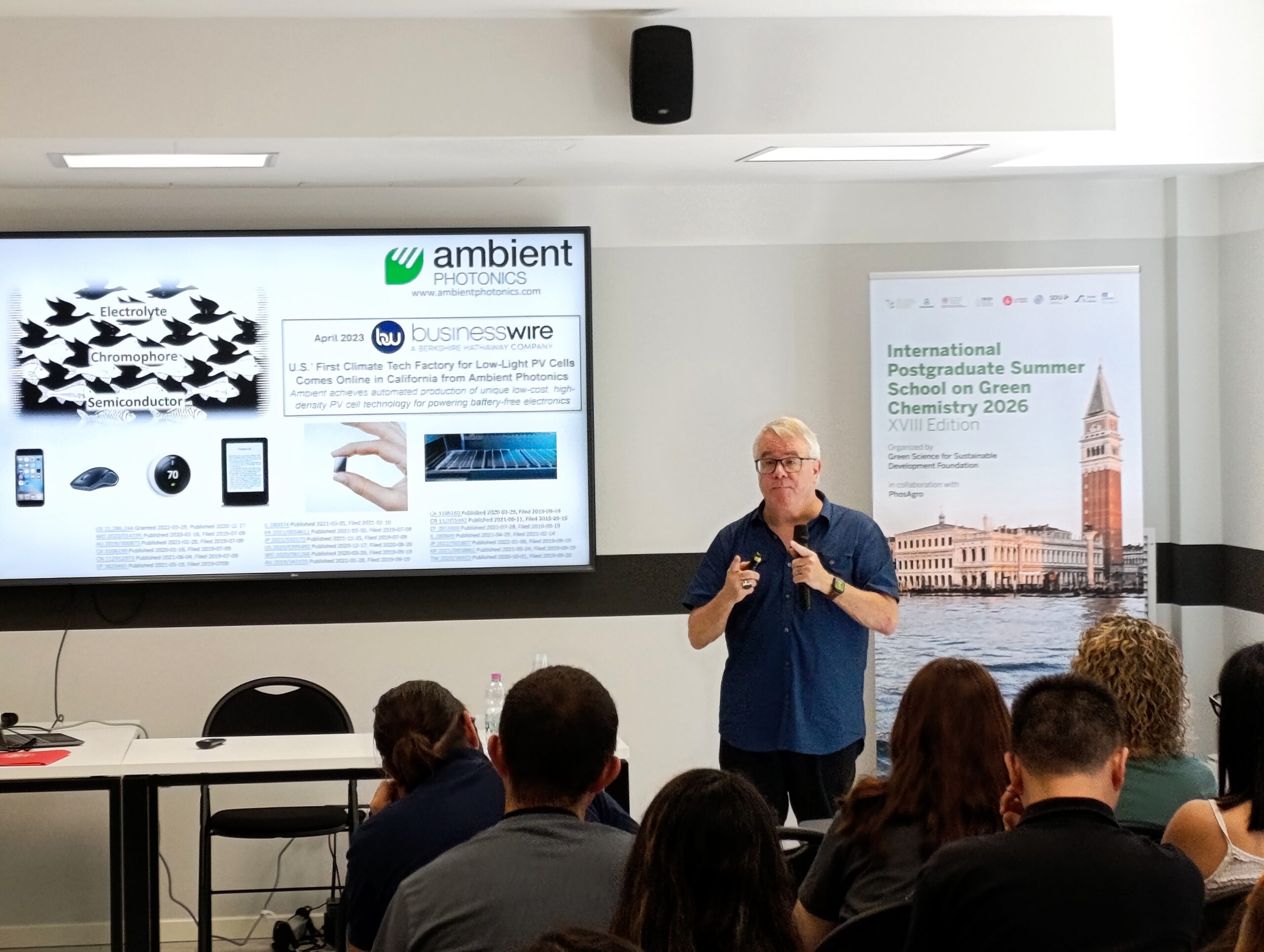
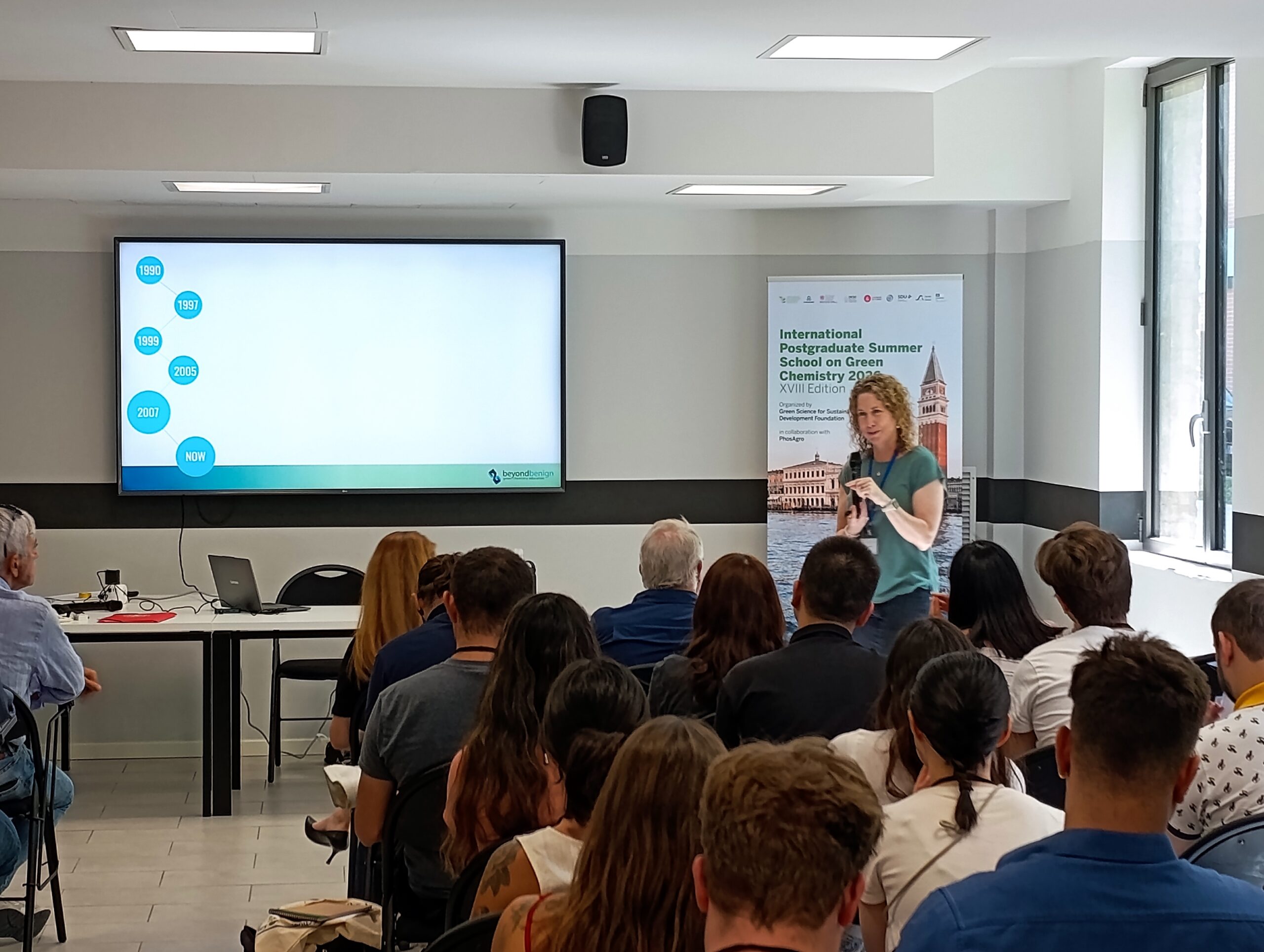
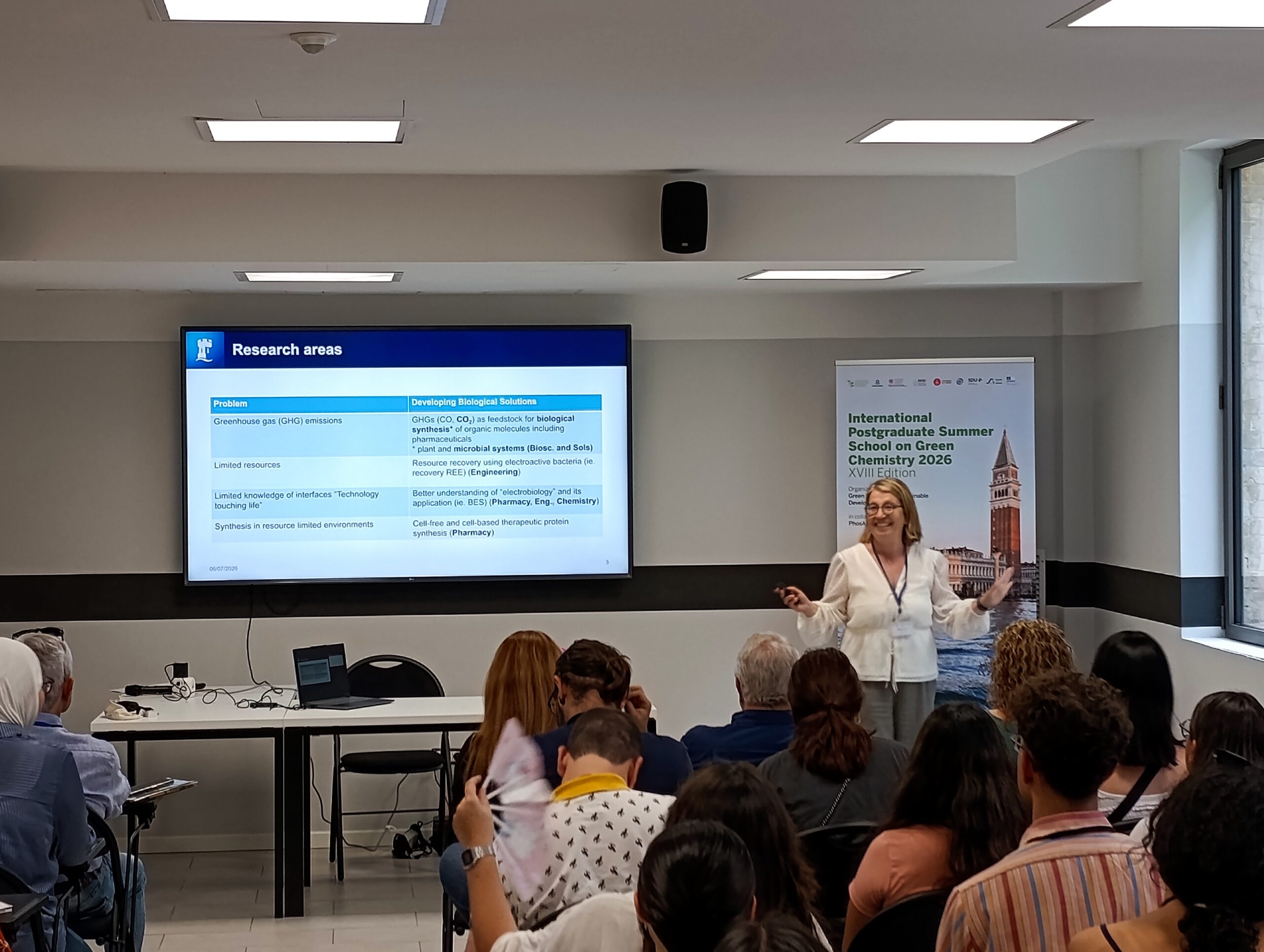
Following the opening ceremony, the scientific programme began with three lectures addressing key dimensions of green chemistry and sustainability. Prof. John C. Warner, CEO and CTO of Technology Greenhouse and one of the founders of green chemistry, delivered a lecture entitled “Green Chemistry: The Foundation of a Sustainable Circular Economy”. He discussed the origins and evolution of green chemistry and highlighted how molecular design, reaction chemistry, and materials innovation can enable safer and more sustainable technologies while creating both environmental and commercial value. Dr. Amy S. Cannon, Co-Founder and Executive Director of Beyond Benign, presented “From Classroom to Community: Green Chemistry Education for a Sustainable Future”, highlighting the importance of integrating safety, sustainability, and social responsibility into chemistry education and empowering educators and young scientists to drive systemic change toward sustainable science. Dr. Katalin Kovacs, Associate Professor at the School of Pharmacy, Faculty of Science, University of Nottingham, United Kingdom, concluded the session with “Bioproduction of Chemicals from CO2”. Her lecture explored the potential of microorganisms and synthetic biology to convert CO2 and other one-carbon feedstocks into value-added chemicals, biopolymers, and pharmaceutical precursors, demonstrating promising pathways toward sustainable biomanufacturing.
DAY 2
Tuesday, 7 July 2026
Day 2 opened with Mr. Aleksander Antonov of PhosAgro, Europe’s leading producer of phosphate-based fertilizers and the world’s largest supplier of high-grade phosphate rock. He reaffirmed PhosAgro’s continued commitment to advancing Green Chemistry, highlighting the company’s prior contributions to research and capacity-building initiatives, as well as future funding opportunities aimed at promoting innovation and scientific excellence in the field.
The scientific programme of Day 2 continued with a diverse series of lectures spanning life-cycle thinking, sustainable chemical processes, renewable feedstocks, circular materials, green electrochemistry, and membrane technologies. Prof. Philip Jessop of the Department of Chemistry at Queen’s University, Canada, delivered “Using Life Cycle Assessment and Hotspot Analysis to Guide Your Research”. He highlighted how life cycle assessment (LCA), hotspot analysis, emissions databases, and impact-based metrics can guide researchers in identifying the most environmentally significant challenges and focusing their efforts where they can achieve the greatest positive impact. Prof. Peter Licence of the GSK Carbon Neutral Laboratories, School of Chemistry, University of Nottingham, UK, presented “Green Chemistry: Seeing the Wood from the Trees!” Drawing on examples of translating green chemistry concepts from the laboratory toward industrial application, he emphasized the importance of multidisciplinary approaches and of putting scientific innovation into practice to deliver cleaner processes, smarter materials, and more sustainable technologies. Dr. Alessandro Pellis, Associate Professor of Organic Chemistry at the University of Genova, Italy, delivered “Sustainable Strategies for the Processing of Platform Molecules to Polymeric Materials”. His lecture presented greener strategies for synthesizing polyester-based materials from renewable monomers, highlighting their potential to reduce dependence on fossil resources and contribute to more sustainable polymer production. Prof. Youssef Habibi of the Sustainable Materials Research Center (SusMat-RC), University Mohammed VI Polytechnic (UM6P), Morocco, presented “Renewables Feedstock and Recycling”. He discussed the potential of biomass and plastic waste as complementary resource streams for producing value-added chemicals, polymers, and functional materials, highlighting opportunities to integrate renewable and recycled feedstocks within a circular-economy framework. Prof. Christopher M. A. Brett, Professor Emeritus of Chemistry at the University of Coimbra, Portugal, delivered “Deep Eutectic Solvents for Green Electrochemistry: Application to Polymer-Coated Electrodes for Sensors and Corrosion Inhibition”. He explored deep eutectic solvents as greener and lower-cost alternatives to conventional organic solvents and ionic liquids, highlighting their applications in electrochemistry, including the preparation of polymer-modified electrodes, electrochemical sensors and biosensors, electrodeposition, and corrosion-resistant coatings. Finally, Dr. Alberto Figoli of the National Research Council–Institute on Membrane Technology “Enrico Drioli” (CNR-ITM), Italy, presented work on “Concentration of Clarified Red Dragon Fruit Juice Using Hydrophobic P(VDF-HFP) Flat-Sheet Membranes: A Comparison of Osmotic, Membrane, and Vacuum Membrane Distillation”. The study demonstrated the use of hydrophobic membranes prepared with a sustainable solvent for fruit-juice concentration and compared different membrane-based processes, with vacuum membrane distillation showing the highest productivity among the investigated approaches.
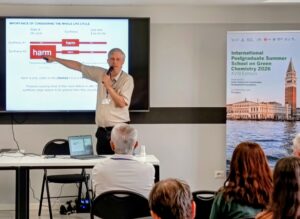
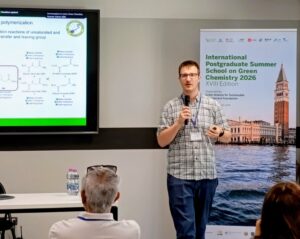
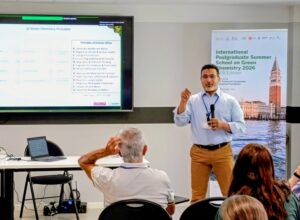
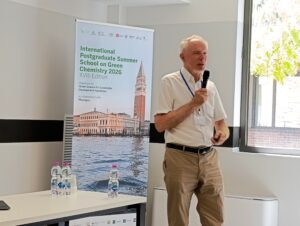
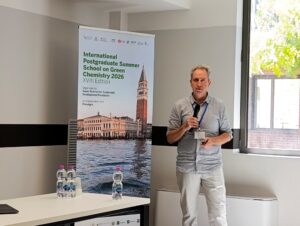
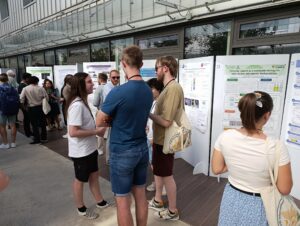
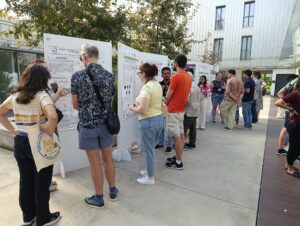
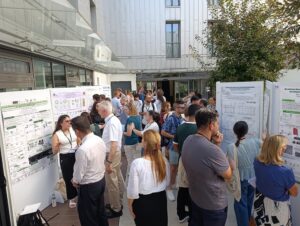
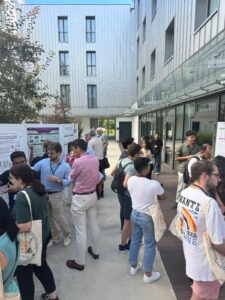
Day 2 concluded with the first in-person poster session, during which participants presented their research findings across diverse areas of Green Chemistry. The session provided an opportunity for young researchers to discuss their work with fellow participants and experts, exchange scientific ideas, and receive valuable feedback on their research.
DAY 3
Wednesday, 8 July 2026
Day 3 began with a presentation by Dr. David A. Laviska of the American Chemical Society (ACS) Green Chemistry Institute, who introduced the Institute and highlighted its role in advancing green and sustainable chemistry through education, research, collaboration, and engagement with the global chemistry community. He presented the Institute’s ongoing efforts to equip students, educators, researchers, and professionals with the knowledge and tools needed to integrate green chemistry principles into education and scientific practice, while highlighting opportunities and initiatives aimed at supporting the next generation of green chemistry leaders.
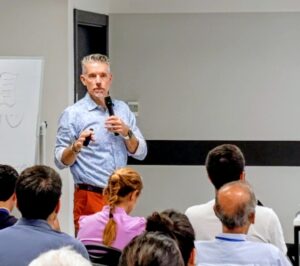
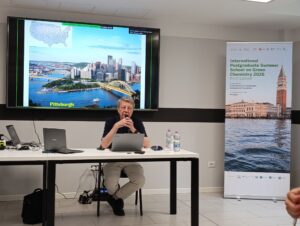
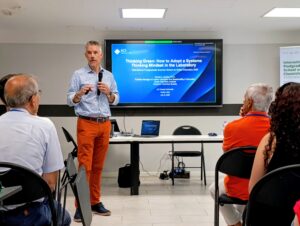
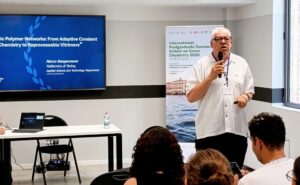
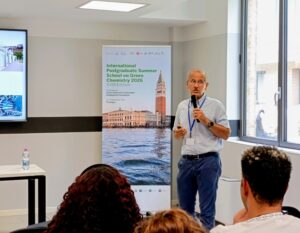
Following the introduction of the ACS Green Chemistry Institute, the scientific programme continued with four lectures addressing sustainable polymer chemistry, systems thinking, hydrogen technologies, and advanced recyclable materials. Prof. Krzysztof Matyjaszewski of the Center for Macromolecular Engineering at Carnegie Mellon University, USA, delivered “Towards Green Atom Transfer Radical Polymerization”. He presented recent advances in making atom transfer radical polymerization (ATRP) more sustainable, including drastically reduced copper catalyst levels, benign catalyst-regeneration methods, solvent-free and aqueous processes, renewable monomers, and the use of external stimuli and artificial intelligence to optimize polymerization processes. Dr. David A. Laviska, Portfolio Manager for Green Chemistry and Sustainability in Education at the ACS Green Chemistry Institute, presented “Thinking Green: How to Adopt a Systems Thinking Mindset in the Laboratory”. He encouraged scientists to move beyond a reductive approach and adopt systems thinking that considers the origins of reagents and feedstocks, the fate of products and waste, and the broader environmental and societal consequences of laboratory practices. Prof. Marco Sangermano of the Department of Applied Science and Technology at Politecnico di Torino, Italy, presented “Dynamic Polymer Networks: From Adaptive Covalent Chemistry to Reprocessable Vitrimers”. His lecture explored dynamic polymer networks and covalent adaptable networks, particularly vitrimers, highlighting how reversible chemical interactions can enable the development of next-generation polymeric materials with self-healing, repairable, recyclable, and reprocessable properties. Prof. Marcello Baricco of the Department of Chemistry and NIS–INSTM at the University of Turin, Italy, delivered “Hydrogen for Energy Transition”. He provided an overview of hydrogen production, handling, storage, and utilization technologies, highlighting the role of green hydrogen in decarbonization and presenting case studies on metal hydrides as hydrogen carriers and storage systems, together with the importance of life-cycle assessment in evaluating their environmental impacts.
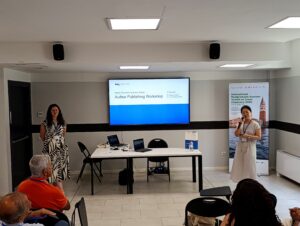
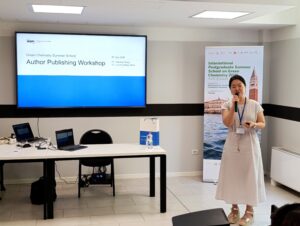
The programme also included a presentation by representatives of MDPI on the scientific publishing process. The session provided participants with practical guidance on preparing and writing scientific manuscripts, submitting their research to academic journals, navigating the peer-review and editorial processes, and publishing their work in MDPI journals.
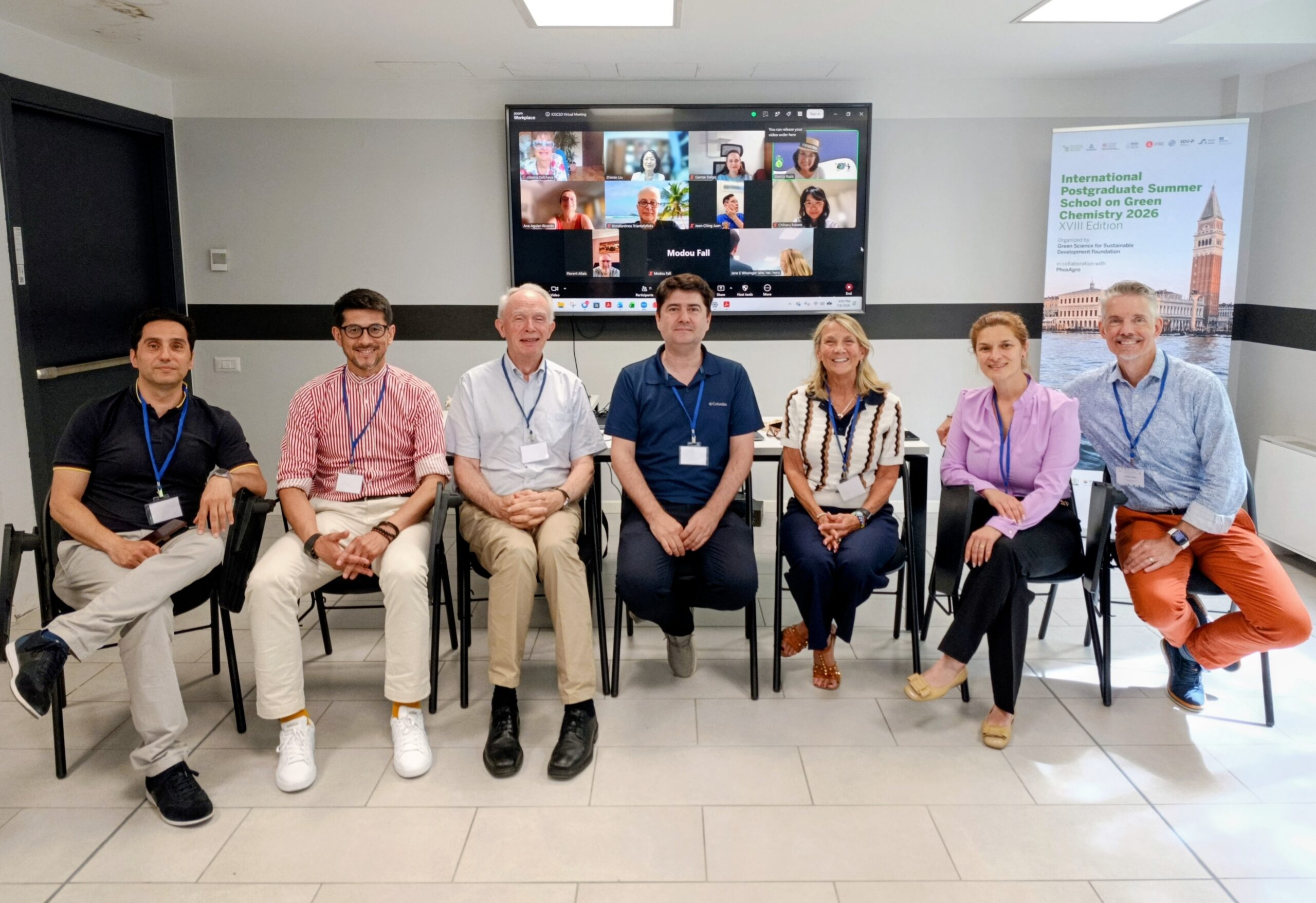
Day 3 concluded with free time for participants to explore the historic city of Venice and experience its unique cultural heritage. During the free afternoon, members of the IUPAC Interdivisional Committee on Green Chemistry for Sustainable Development (ICGCSD) convened for an important committee meeting. The discussions provided an opportunity to review the progress of ongoing IUPAC projects, exchange perspectives on current and future initiatives, and discuss activities related to IUPAC’s thematic divisions and the Committee’s broader efforts to promote green and sustainable chemistry worldwide.
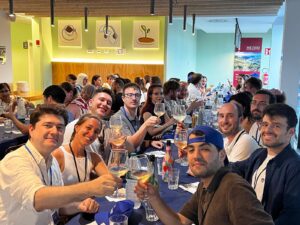
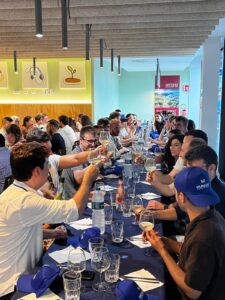
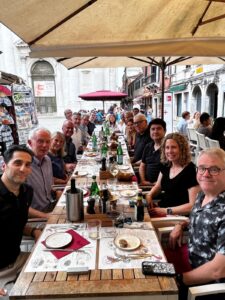
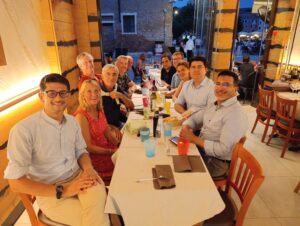
Day 3 concluded with a social dinner, which brought together participants and Summer School lecturers in an informal atmosphere, encouraging scientific exchange, networking, and the development of new professional connections and friendships.
DAY 4
Thursday, 9 July 2026
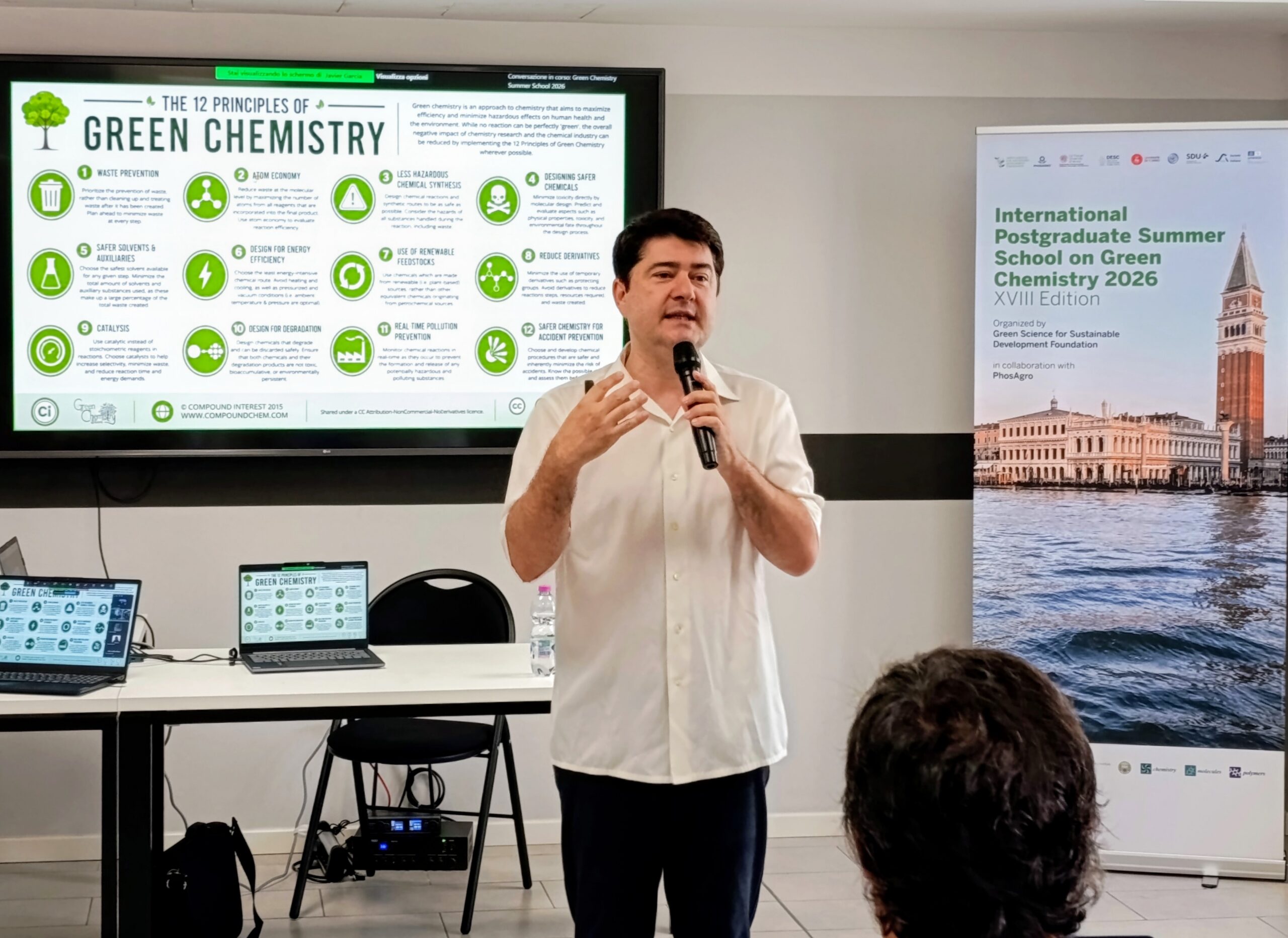
Day 4 began with a diverse programme of scientific lectures spanning advanced catalysis, sustainable organic synthesis, green chemistry education, sustainable practices in the wine sector, green metrics, and renewable resources for polymer chemistry. Prof. Javier García-Martínez, Professor of Inorganic Chemistry and Director of the Molecular Nanotechnology Laboratory at the University of Alicante, Spain, delivered “Reimagining Catalysis for a Greener Future: From Discovery to Commercialization”. He presented nanoengineered and hierarchical catalysts designed to overcome mass-transport limitations in conventional zeolites, highlighting their potential for more efficient pharmaceutical synthesis, longer-lasting catalysts, and lower-energy plastic-waste valorization. Drawing on his experience in bringing catalyst technologies from laboratory discovery to industrial deployment, he also demonstrated how scientific innovation and entrepreneurship can work together to deliver more sustainable chemical processes at scale.
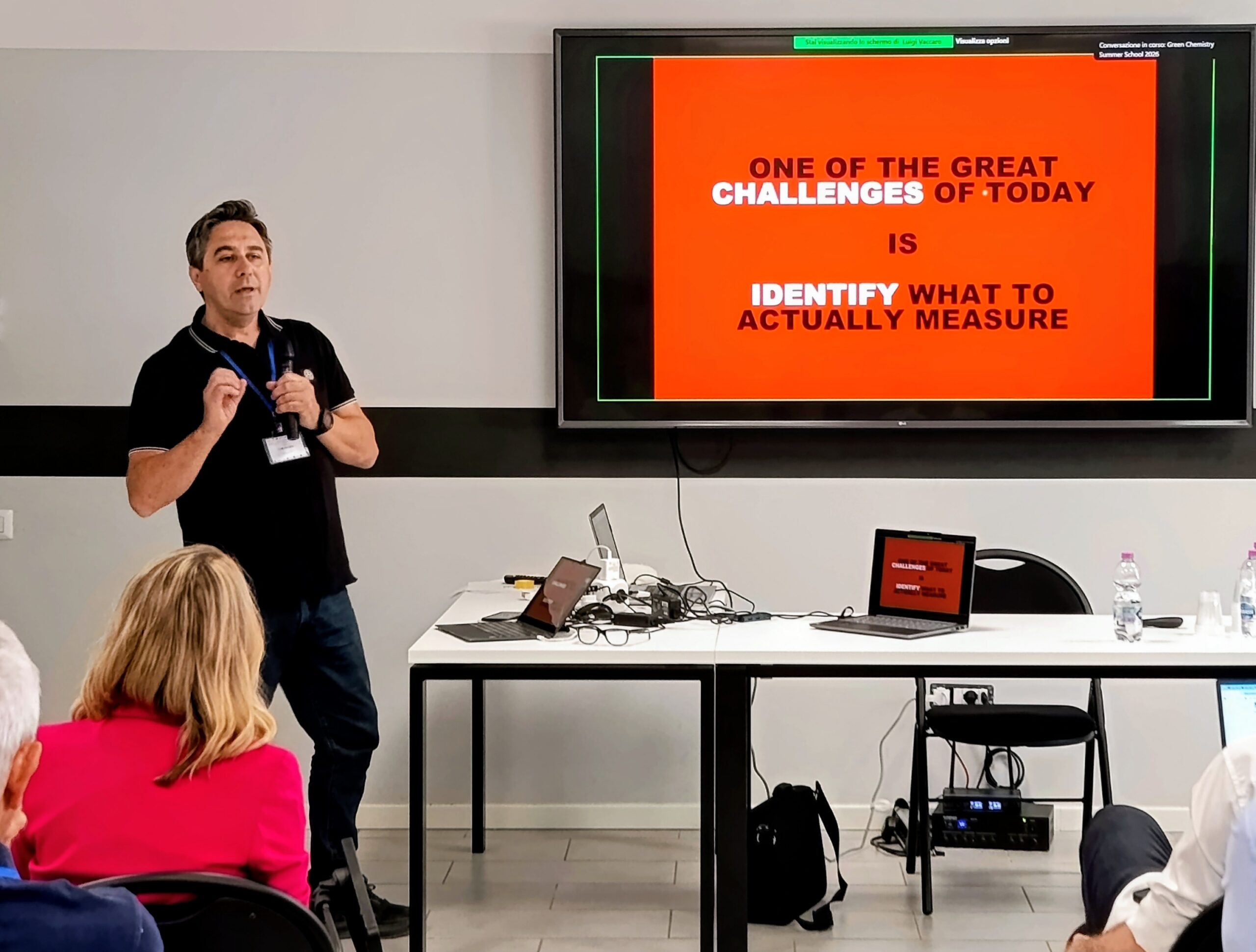
Prof. Luigi Vaccaro of the Laboratory of Green S.O.C., Department of Chemistry, Biology and Biotechnology at the University of Perugia, Italy, presented “Green Shades in Organic Synthesis and Catalysis”. His lecture highlighted an integrated approach to sustainable synthesis based on safer reaction media, nanostructured heterogeneous and reusable catalysts, continuous-flow technologies, and the application of green metrics and life-cycle assessment. He also discussed emerging strategies for valorizing waste to produce recoverable catalytic systems and electrodes, combining continuous-flow chemistry and electrochemical approaches to minimize waste and enhance process efficiency.
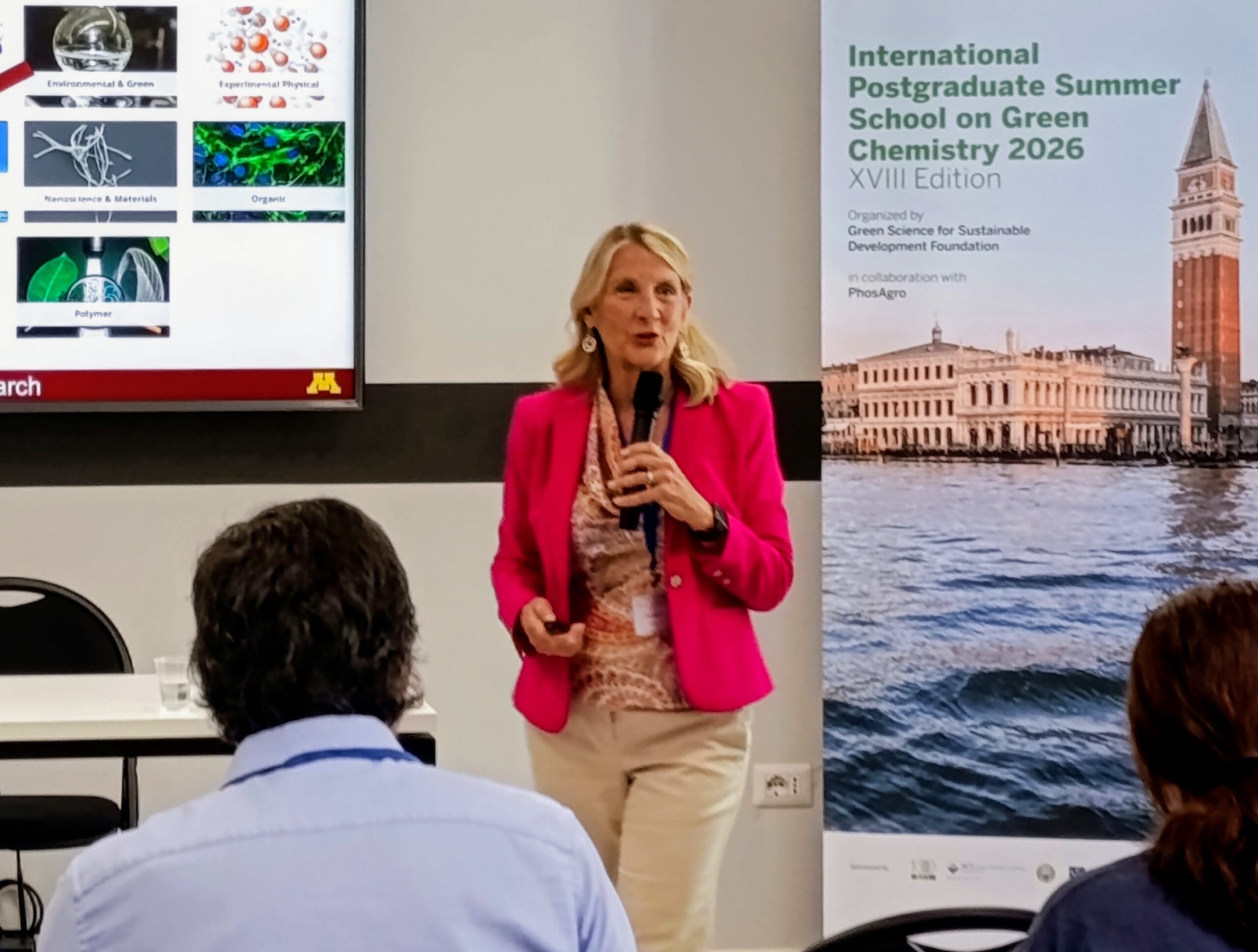
Prof. Emerita Jane E. Wissinger of the Department of Chemistry at the University of Minnesota, USA, delivered “Advancing Green and Sustainable Chemistry Through Education and Outreach”. She emphasized the crucial role of education in preparing the next generation of chemists to address complex environmental and societal challenges through green chemistry principles, safe-and-sustainable-by-design strategies, and systems thinking. Her lecture illustrated approaches for embedding green and sustainable chemistry across educational curricula, supported by examples involving renewable resources, greener processes, sustainable polymers, and end-of-life considerations.
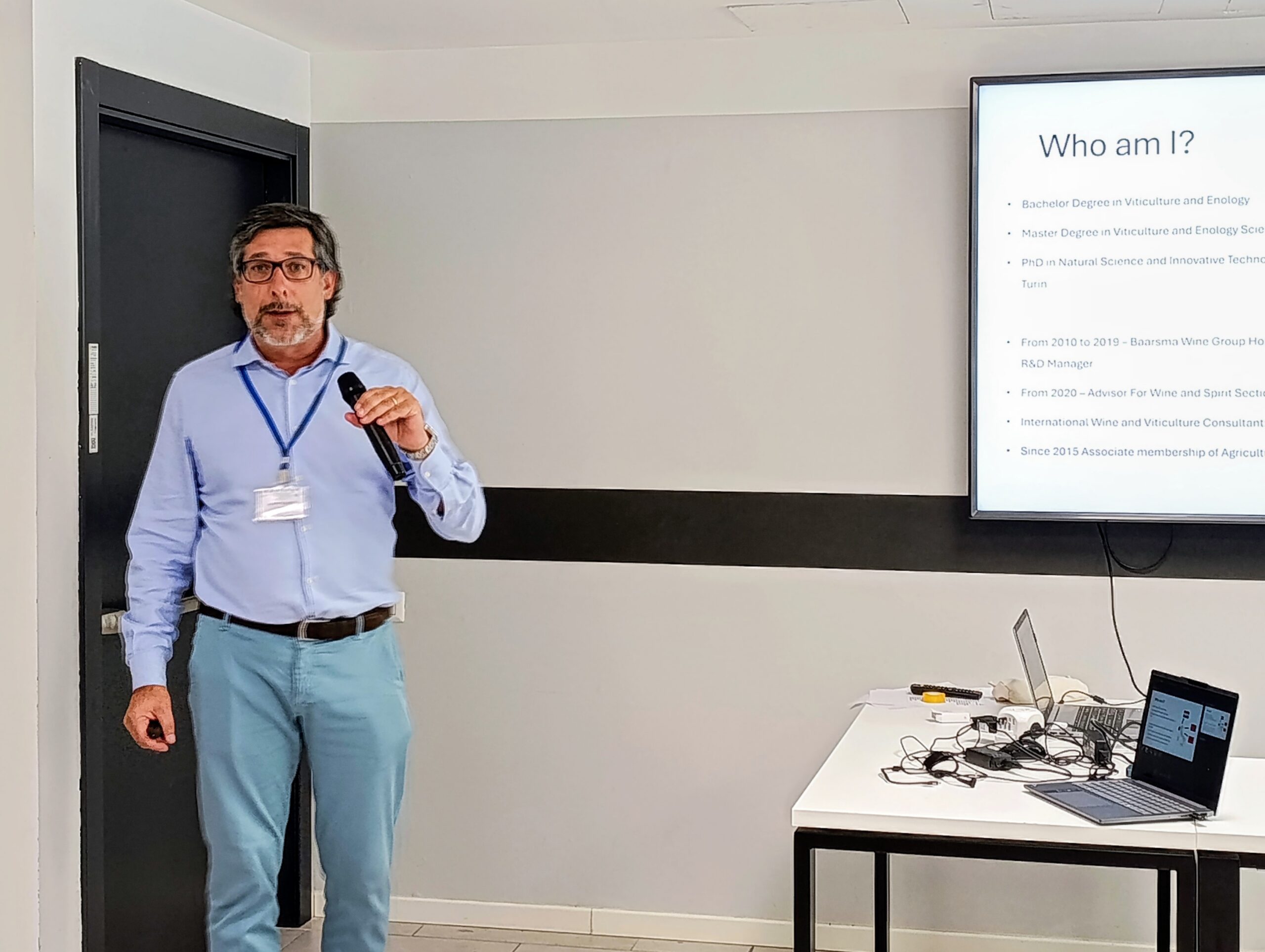
Dr. Alberto Cugnetto, an oenologist and viticulture specialist, presented “Modern Enology Meets Green Chemistry: Innovation Across Processes, Analytics, and Sustainability”. He explored how green chemistry principles can support the transition of the wine sector toward more sustainable production by reducing chemical inputs and waste, improving water efficiency, introducing enzymatic and membrane-based technologies, and developing greener analytical approaches for quality and safety control. The lecture also addressed emerging technologies for wine dealcoholization and the need to balance technological innovation with water use, carbon footprint, and broader environmental impacts.
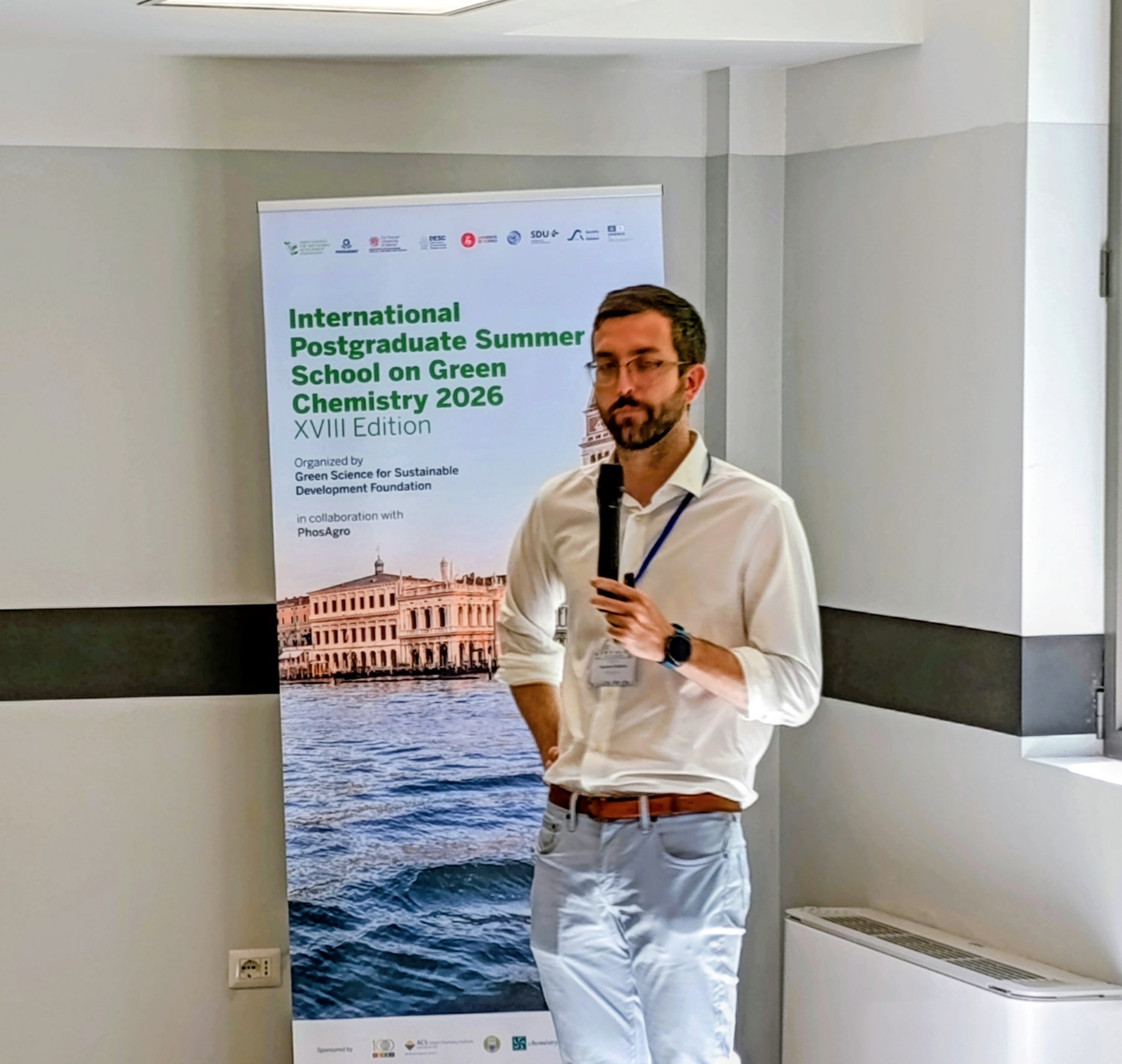
Dr. Giacomo Trapasso of the Department of Environmental Sciences, Informatics and Statistics at Ca’ Foscari University of Venice, Italy, delivered “Metrics for Green Syntheses: Two Case Studies in Biorefinery”. He highlighted the importance of rigorous and quantitative green metrics for objectively evaluating the sustainability of chemical processes, with particular attention to the environmental factor (E-factor) and process mass intensity (PMI). Using the synthesis of bio-based platform chemicals and derivatives as case studies, he demonstrated how green metrics can be applied to compare alternative synthetic pathways and guide the development of genuinely more sustainable processes.
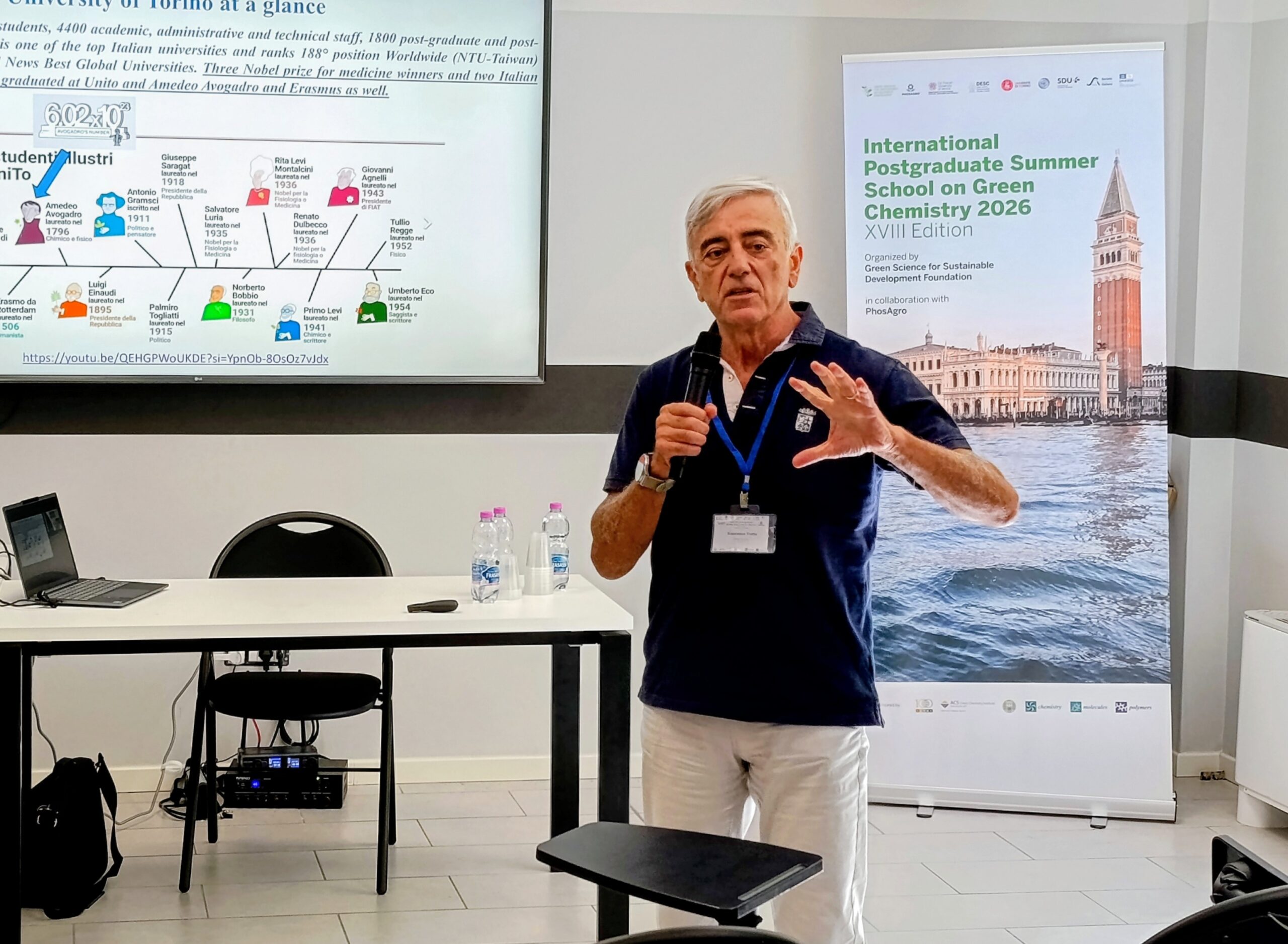
Finally, Prof. Francesco Trotta of the Department of Chemistry at the University of Turin, Italy, presented “Exploitation of Renewable Resources in Polymer Chemistry”. His lecture addressed the growing importance of replacing fossil resources with renewable raw materials derived from biomass, including vegetable oils, cellulose, starch, and wood. Particular attention was devoted to the use of starch derivatives, such as cyclodextrins and linear dextrins, for producing cross-linked and branched polymers with diverse applications, highlighting the possibility of employing less hazardous or even solvent-free synthetic routes to develop more sustainable polymeric materials.
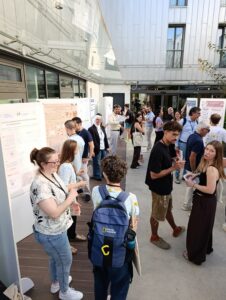
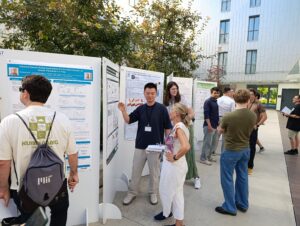
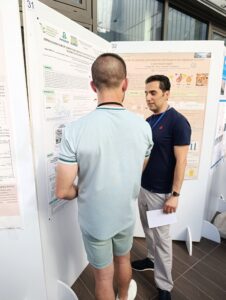
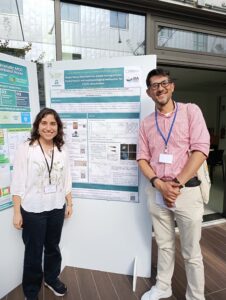
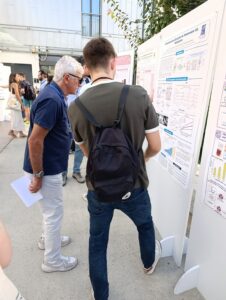
Day 4 concluded with the second in-person poster session of the Summer School, during which participants presented and discussed their latest research findings across diverse areas of Green Chemistry. The session provided another valuable opportunity for young researchers to showcase their work, engage in scientific discussions with fellow participants and lecturers, exchange ideas, and receive constructive feedback from the international Green Chemistry community gathered at the Summer School.
DAY 5
Friday, 10 July 2026
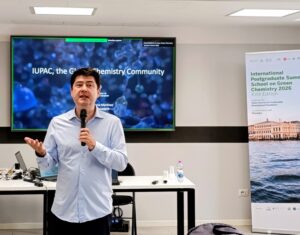
Day 5 began with an introduction to the International Union of Pure and Applied Chemistry (IUPAC) by Prof. Javier García-Martínez, Past President of IUPAC. He introduced participants to IUPAC’s mission and its global role in advancing the chemical sciences, fostering international scientific collaboration, and promoting chemistry as a key contributor to sustainable development. He also highlighted opportunities for young chemists to engage with the global chemistry community, including through the International Younger Chemists Network (IYCN), which connects and empowers early-career chemists worldwide, and the IUPAC Global Women’s Breakfast (GWB), an initiative that brings together scientists across the globe to promote networking, diversity, inclusion, and gender equality in the chemical sciences.
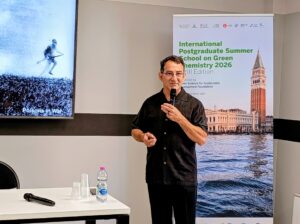
In the following scientific session, three lectures explored the intersections of chemistry with diplomacy, sustainable chemical design, and climate science. Dr. Jonathan E. Forman, an internationally recognized expert in chemical and biological arms control and former Science Policy Adviser at the Organisation for the Prohibition of Chemical Weapons (OPCW), delivered “Atoms, Molecules, and Arms Control: Where Chemistry Meets Diplomacy”. He discussed the history and international regulation of chemical weapons, the Chemical Weapons Convention (CWC), and the relationship between chemistry and international law, while exploring how the principles and outcomes of Green Chemistry can intersect with global chemical disarmament and security efforts.
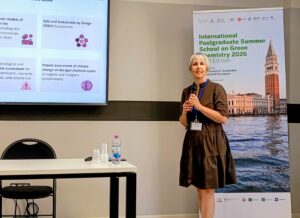
Dr. Elena Semenzin of Ca’ Foscari University of Venice, Italy, presented “Designing Safer and More Sustainable Chemicals: An Introduction to the European Safe and Sustainable by Design (SSbD) Framework”. Her lecture introduced the European SSbD framework and its role in supporting the development of chemicals and materials that combine functionality with improved safety and sustainability throughout their life cycle. She outlined key assessment approaches, including hazard and exposure assessment, risk assessment, Life Cycle Assessment (LCA), and socio-economic considerations, illustrating how the framework can guide decision-making and the selection of safer and more sustainable alternatives during research and innovation.
Dr. Andrea Spolaor of the CNR Institute for the Dynamics of Environmental Processes (CNR-IDPA) and Ca’ Foscari University of Venice, Italy, delivered “Seasonal Snow: Where Climate Change Meets Natural Chemistry”. He explored seasonal snow as both a sensitive indicator of climate change and a dynamic natural chemical reactor, highlighting the heterogeneous and photochemical processes occurring within snowpacks. Particular attention was given to reactive halogen species and atmosphere- snow interactions, illustrating how changes in the cryosphere can influence atmospheric chemistry and contribute to complex climate feedback mechanisms.
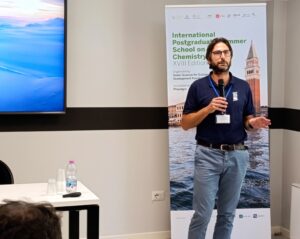
The Summer School concluded with a closing ceremony, during which the winners of the poster competition were announced, recognizing four in-person and two online poster awardees for their outstanding scientific contributions.
In-person PhosAgro Poster Awards in Memory of Professor Pietro Tundo:
Gustavo Felix Bitencourt, Universidade Federal do ABC (UFABC), Brazil – “Metal-Free Aldehyde-Rich Covalent Organic Frameworks for Hydrogen Peroxide Production from Sunlight, Water and Air.”

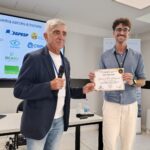
Mayu Kamisono, Kyushu University, Japan – “Deep Eutectic Solvent-Based Selective Recovery of Platinum Group Metals from Spent Automotive Catalysts.”

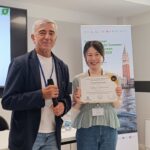
Matteo Mora, University of Genova, Italy – “Carbon Dioxide Feeding Optimization in a Closed Microalgae Photobioreactor for Space Applications.”
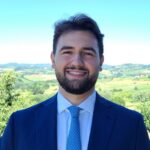
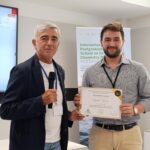
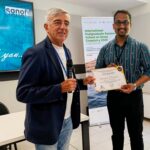
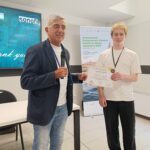
Schubert Fernandes & Theodore Lunny, University of Nottingham and Nottingham Trent University, United Kingdom – “Transient Solvent Ramp Experiments for the Determination of Kinetic Parameters in Flow.”


GSSD Foundation Online Poster Awards:
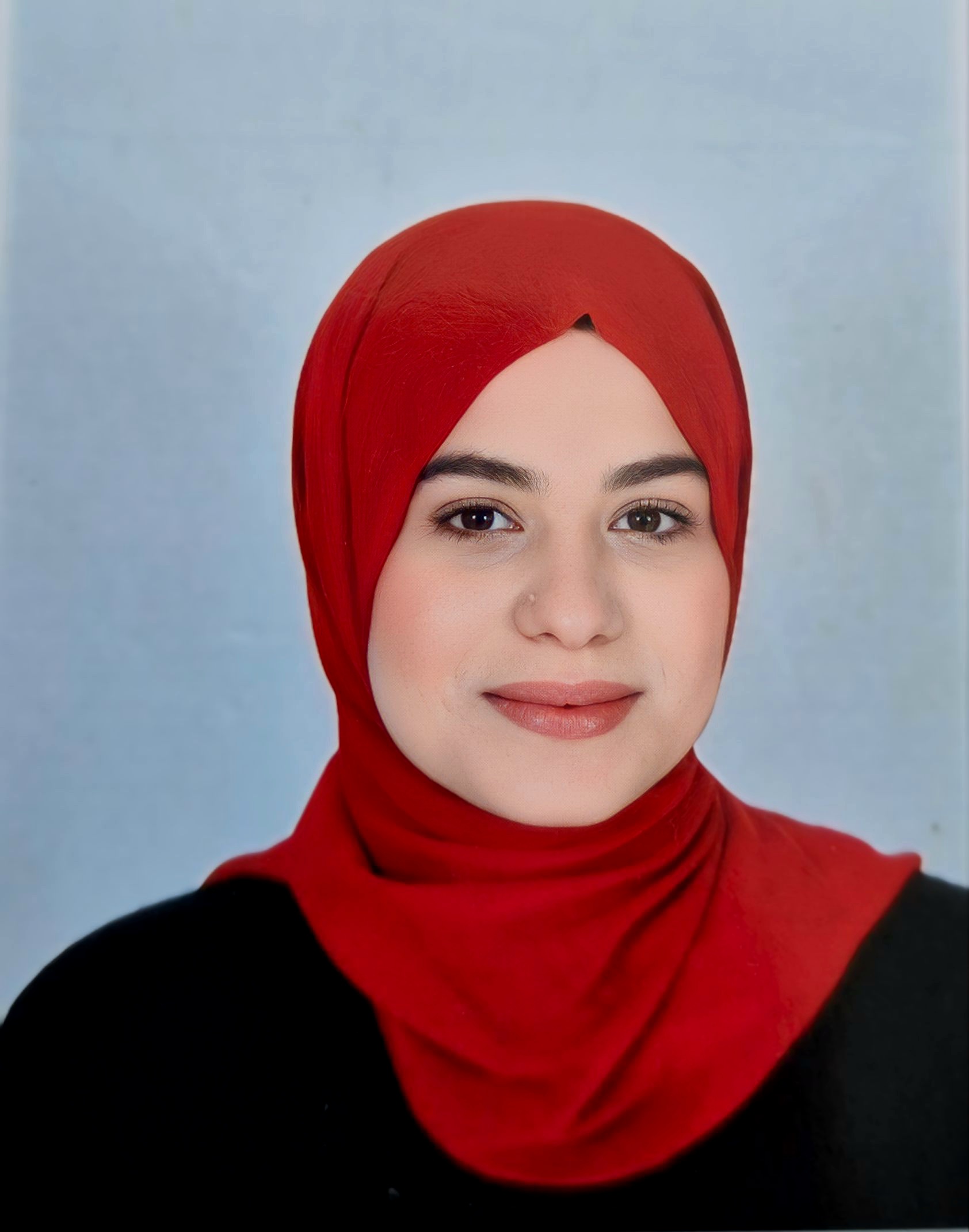
Rayen Ben Aoun, Université de Tunis El Manar, Tunisia – “From Waste to Sustainable Solutions: Green Extraction of Chitosan with Deep Eutectic Solvents for Food Coating and Plant Stress Tolerance.”
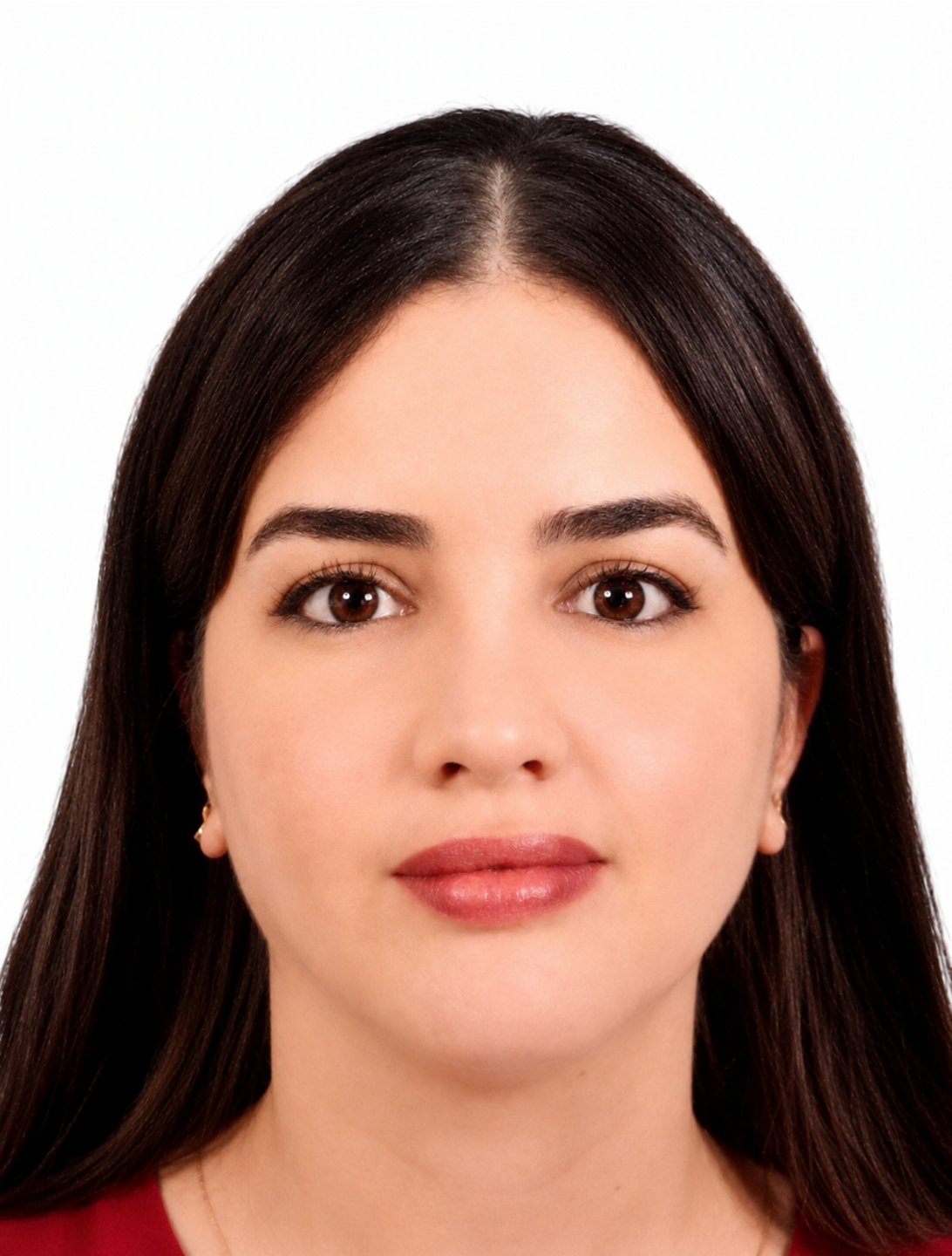
Sara El Moujahed, Sidi Mohamed Ben Abdellah University, Morocco – “Bioinspired Collagen Films Reinforced with Waste-Derived Polyphenols for Sustainable Bioactive Packaging.”
Closing remarks were delivered by members of the organizing team, including Prof. Francesco Trotta, Prof. Fabio Aricò, Dr. Aurelia Visa, Prof. Mirabbos Hojamberdiev, and Graziana Gigliuto. Reflecting on five days of scientific learning, discussion, networking, and international exchange, the organizers thanked the lecturers, participants, sponsors, and partners for their contributions to the success of the XVIII edition. The young researchers were encouraged to carry forward the legacy of Prof. Pietro Tundo, the founder of the Summer School, conduct their scientific activities in the spirit of the 12 Principles of Green Chemistry, and actively spread the knowledge and principles of Green Chemistry gained during the Summer School within their institutions, scientific communities, and home countries, thereby contributing to a safer and more sustainable future.
See you next year in beautiful Venice for the XIX edition of the International Postgraduate Summer School on Green Chemistry!
The Organizing Committee wishes to acknowledge not only PhosAgro for its continuous support and generous sponsorship of the Summer School, but also the ACS Green Chemistry Institute, the Organisation for the Prohibition of Chemical Weapons (OPCW), Ca’ Foscari University of Venice, IUPAC, and MDPI for their sponsorships. Their support has been instrumental in the success of the Summer School and has enabled the participation of students from developing countries. By fostering inclusive access to education and training in green chemistry, the Summer School contributes to advancing the principles of Green Chemistry while supporting several United Nations Sustainable Development Goals (SDGs), particularly those related to quality education, gender equality, clean water and sanitation, affordable and clean energy, responsible consumption and production, climate action, and global partnerships.
More info on the project related to the XVIII Postgraduate Summer School on Green Chemistry here https://iupac.org/project/2026-013-1-041/
More info on the event related to the XVIII Postgraduate Summer School on Green Chemistry here https://iupac.org/event/xviii-postgraduate-summer-school-on-green-chemistry/